How to Optimize Ecommerce Operations in Australia

Streamlining Logistics
Managing an ecommerce business in today’s landscape involves a complex orchestration of various components, and streamlining logistics is at the heart of it all. Let’s talk about what happens once a customer clicks “buy.” Effective order fulfilment doesn't just impact delivery speed; it sets the stage for a sustainable and efficient operation. Every time a customer places an order, a seamless fulfilment process ensures their expectations are met promptly while also keeping an eye on our broader sustainability goals.
Picture yourself navigating the vibrant street art of Hosier Lane in Melbourne, a reflection of innovative spaces inspiring those who seek unique solutions in logistics. Our goal in this realm is not far off – to craft an efficient and creative logistics strategy that mirrors the transformative spirit found in Melbourne’s eclectic streets.
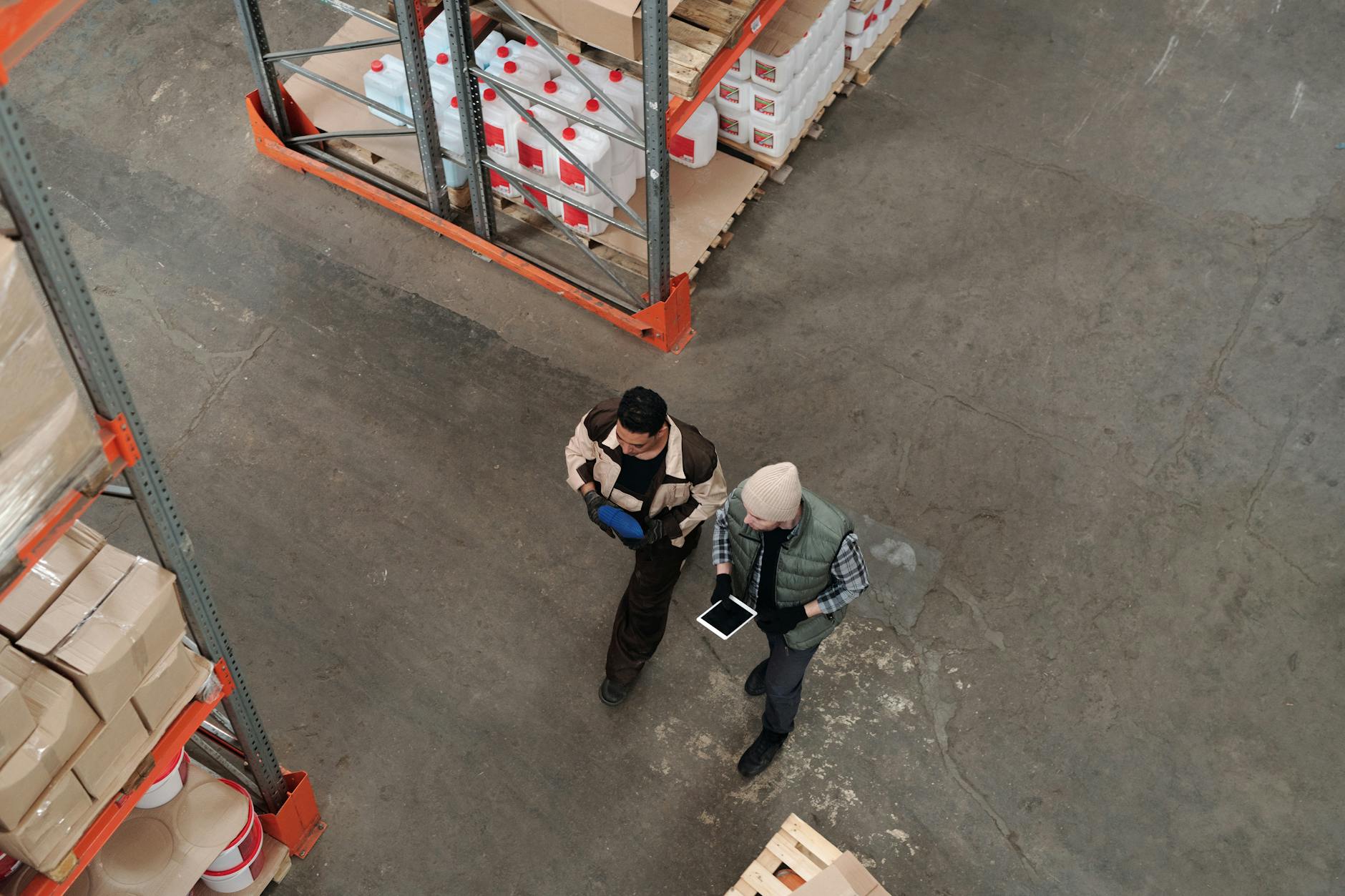
Central to any logistics strategy is the concept of pick packing. This involves selecting and packing items efficiently in a warehouse setting, which is crucial for maintaining operational flow and satisfying customer demands without unnecessary delays. By refining these processes, we can optimise our resource usage and contribute to a more sustainable ecommerce ecosystem.
By the end of this logistical dance, customers receive their items promptly, aligning with both their expectations and our eco-conscious mission. This approach, borrowing from the creative synergy seen around Hosier Lane, allows us to integrate efficiency with environmental responsibility in a meaningful and impactful manner.
Enhancing Customer Experience
Sustainable Packaging Options
As Lucas searches for sustainable packaging, the vibrant street art of Hosier Lane reminds me of how creativity and innovation can blend seamlessly with eco-friendly solutions. When considering sustainable packaging, focus on materials like recycled cardboard or biodegradable plastics. These choices not only reduce environmental impact but also resonate with customers who prioritise sustainability. Brands can also explore innovative solutions like plant-based inks and reusable packaging to further enhance their ecommerce logistics efforts.
Personalization and Innovation
Personalizing customer interactions can significantly improve the overall experience while staying true to eco-friendly values. Use data analytics to understand customer preferences, tailoring product recommendations and communications. Innovation plays a key role here—think about integrating AI-driven tools to customise shopping experiences uniquely. Moreover, participation in local networking events at the Melbourne Convention and Exhibition Centre can help forge connections with like-minded professionals passionate about sustainability.
Transparent Communication Strategies
Transparent communication is vital in building trust and reinforcing a brand’s commitment to sustainability. Clearly sharing your environmental practices, such as using a third party logistics provider that aligns with your eco-friendly values, not only informs customers but also strengthens brand loyalty. Provide insights into your sustainable actions through engaging storytelling, highlighting efforts in reducing carbon footprints. Engage with your audience by discussing sustainability narratives on platforms like Instagram and Pinterest, informing them of your journey towards a more responsible business approach.
Leveraging Technology
Automation Tools for Efficiency
In the bustling heart of Melbourne, the innovative energy at Fitzroy's creative meetups illustrates the power of efficiency driven by technology. That's the kind of outlook you need when weaving automation into your e-commerce business. Implementing robust pick and pack systems can significantly streamline your logistics operation. Automation tools reduce manual errors and accelerate the order fulfilment process, offering a more seamless experience for your customers. These tools also drive efficiency by allowing you to handle large volumes without losing precision.
Data Analytics for Insights
Harnessing data analytics provides a comprehensive lens to understand your customers and optimise operations. Picture the vibrant expressions in Hosier Lane's street art, each stroke capturing viewers' attention—just like data analytics captures intricate customer behaviours. By leveraging analytics, you can identify trends, preferences, and opportunities essential for refining your eCommerce strategy. Data-driven insights allow you to anticipate needs and adjust to market demands swiftly.
Integrating Sustainable Platforms
Partnering with eco-conscious platforms aligns with your sustainable vision. A 3PL provider who shares your commitment to the environment enhances your brand’s credibility. These partnerships foster trust as customers appreciate businesses that embrace sustainability. Choose providers that prioritise sustainable practices, from using renewable energy sources in warehouses to optimising delivery routes for a reduced carbon footprint. Implement these platforms to echo your brand's ethos across the supply chain, reinforcing an authentic, eco-friendly message.
Building Sustainable Partnerships
Evaluating Partner Compatibility
As I reflect on my experiences in e-commerce, a pivotal lesson is the importance of evaluating partner compatibility. It's not just about aligning objectives but also ensuring shared values, especially when integrating 3PL logistics into your supply chain. For Lucas Patel, who is passionate about sustainability, assessing potential 3PL partners shouldn't just focus on their logistical prowess but also their commitment to eco-friendly practices. Look for partners who actively reduce their carbon footprint and engage in responsible warehousing. This comprehensive evaluation will better serve the sustainable brand vision.
Collaborating with Local Suppliers
Embracing local suppliers is a rewarding strategy for those of us in ecommerce, as it strengthens community ties and reduces transportation emissions. By focusing on local networks, you can discover suppliers with sustainable practices. Lucas could benefit from collaborating with Brisbane-based suppliers that prioritise green initiatives. This approach not only reduces logistical hurdles but also ensures a more eco-conscious supply chain.
Establishing Long-Term Eco-Commitments
Finally, building long-term eco-commitments with your partners solidifies a sustainable future for your business. Setting clear expectations and establishing goals around sustainability can transform supplier relationships into collaborative ventures. Whether discussing renewable energy usage or waste management strategies, ensure you're fostering partnerships that are bound by shared environmental objectives. Remember, commitment to sustainability goes beyond mere paperwork—it's about actively working towards tangible environmental benefits.
Overcoming Challenges in Sustainable Ecommerce
Balancing Growth with Eco-Consciousness
Navigating the bustling world of e-commerce in Melbourne is much like traversing the vibrant alleys of Hosier Lane, where art and commerce intersect in a colourful dance. For many of us in the ecommerce industry, the challenge of expanding our business while maintaining a sustainable approach is an ongoing puzzle. The push for growth often means battling against the tides of resource consumption and waste production. However, like a masterpiece in the making, striking a balance involves embracing technology, from using advanced 3PL solutions for efficient logistics to optimising order fulfilment processes. By leveraging these tools, we can achieve growth without compromising our commitment to the environment.
Breaking Supply Chain Barriers
Now, let’s turn our attention to another hurdle—the infamous supply chain barriers. Much like networking at a Melbourne Convention and Exhibition Centre event, finding the right connections is key. Collaborating with accessible ecommerce platforms can simplify this task by fostering connections with reliable suppliers dedicated to sustainability. Furthermore, integrating sustainable supply chain practices can mitigate risks and enhance resilience in the face of disruptions. It’s about creating a supply chain that flows as smoothly as the creative ideas at Fitzroy’s meetups.
Navigating Ever-Changing Regulations
The world of e-commerce is a dynamic one, with regulations often shifting under our feet. Staying compliant with new laws requires agility—something akin to adapting one's art style to fit the ever-evolving trends in Melbourne’s streets. By keeping our finger on the pulse of regulatory changes and nurturing relationships with 3PL providers who align with eco-friendly mandates, we can not only adapt but also thrive. Embracing these changes ensures we remain in harmony with both legal requirements and the environment.